Health in menopause: protecting your heart, bones and brain and slowing the ageing process
Written by Dr Cristina Lenzi
Beyond symptoms: menopause interrupts the protection of our vital organs
Many women associate menopause exclusively with hot flushes and tiredness, but what really happens is a profound, silent change in the way the body takes care of itself. As the years go by, our body undergoes physiological ageing. It is part of life and we have to accept it.
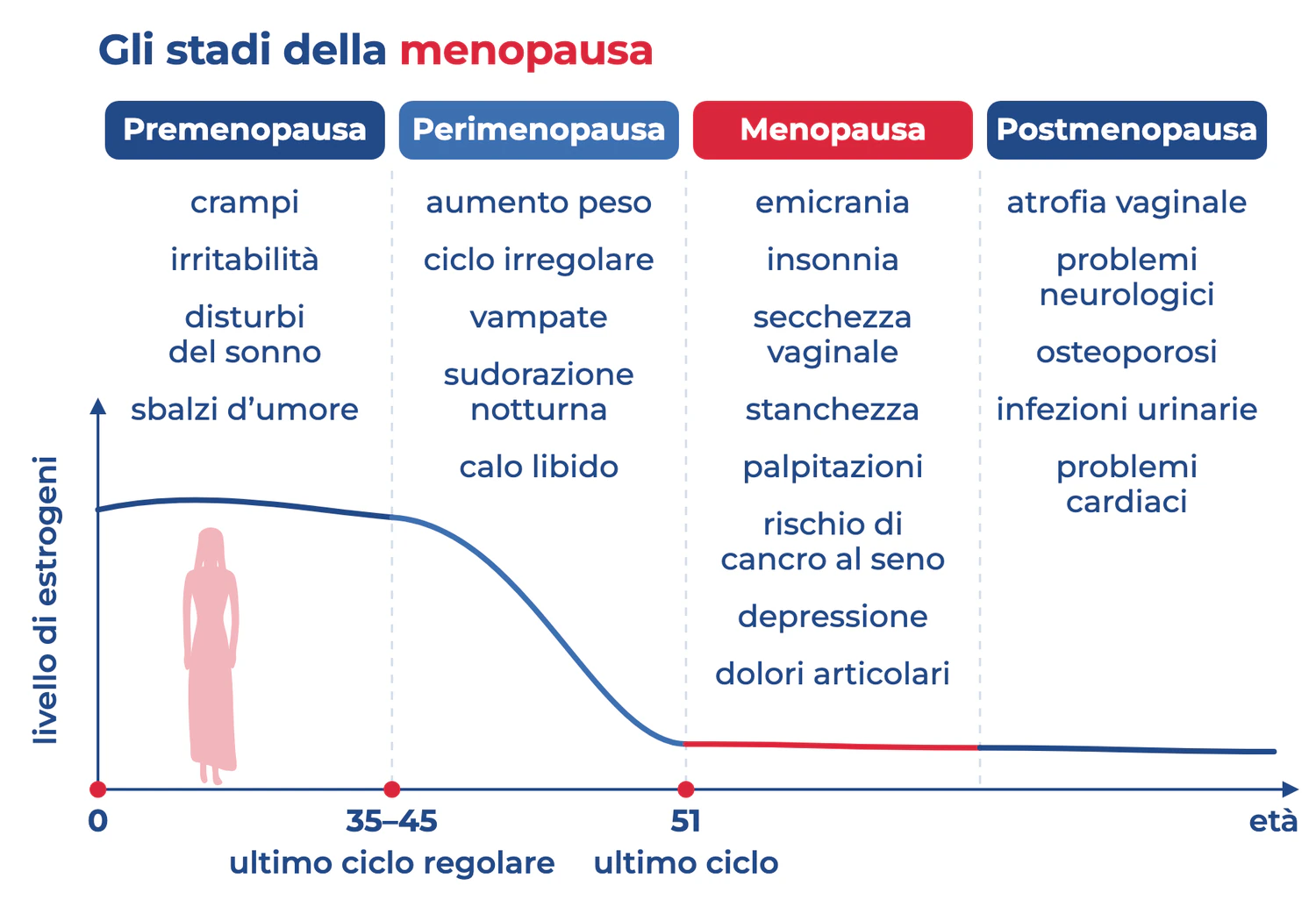
This process is driven by endocrine senescence, that is, the natural ageing of the glands, which leads to a drastic fall in the production of oestrogens, progesterone and testosterone. These hormones are not only for fertility: they act as biological “keys”, essential for activating receptors present in almost every cell of our body, from the heart to the neurons.
When these hormone levels collapse, the biological “workers” that constantly renew our tissues (such as osteoblasts for the bones, myoblasts for the muscles and fibroblasts for the skin) stop receiving the instructions they need to repair our “biological home”. As a result, the natural shield that for decades kept our arteries flexible, our bones dense, our memory sharp and our metabolism active is lost.
Ageing in menopause often means seeing an acceleration of inflammation and degeneration in these organs, but today we know that this decline is not an inevitable fate to be accepted with resignation. Bioidentical hormone therapy (BHRT) steps in precisely here: by giving the body back its natural “keys” to reactivate the processes of protection and active longevity in the heart, bones and brain.
From bone health to the heart, from the intimate sphere to psychological balance, the scientific evidence confirms that bioidentical hormone modulation, accompanied by targeted nutritional support such as calcium D-glucarate and phytoestrogens, is one of the most effective strategies for facing menopause with awareness.
The right approach is not only to restore hormone levels, but also to maintain healthy hormone metabolism, support the detoxification systems and avoid hormonal overload. Menopause is a physiological transition, but it should not be experienced as a loss. It is a time to renew self-care, with scientifically valid, personalised tools.
Would you like to talk it through with a doctor?
The first consultation is free, also by video call.
Book a free consultationMenopause and health: the areas most affected
Osteoporosis and fragile bones
Oestrogens play a crucial role in calcium metabolism and in the health of bone tissue, regulating the activity of specialised cells (osteoblasts, osteocytes and osteoclasts) to stimulate the formation of new bone and curb its resorption. With menopause, the drastic reduction in oestrogen levels breaks this delicate balance, accelerating the loss of bone mineral density (BMD) and significantly raising the risk of developing osteoporosis.
This marked increase in bone turnover weakens the entire skeletal architecture, exposing the woman to fragility fractures (typically in the vertebrae, femur and wrist) that can occur even in the absence of significant trauma. Such fractures have a dramatic impact on quality of life, as they cause chronic pain, functional limitations and loss of personal independence.
Bioidentical oestrogen therapy, chemically and structurally identical to the hormones naturally produced by the body, works by restoring effective bone protection. By counteracting mineral decline, BHRT slows the loss of bone mass and reduces, in a clinically relevant way, the risk of osteoporosis and related fractures, preserving long-term wellbeing. Whether the therapy is right for you, and with which hormones, is assessed by the doctor on the basis of your tests and your clinical history: this is the first visit of the Bioidentical Hormone Pathway.
Menopause and the heart: why cardiovascular risk increases and how to protect it
During the fertile phase of life, oestrogens play a crucial role in the active protection of the cardiovascular system. These precious female hormones help keep the walls of the blood vessels flexible and promote their dilation to optimise blood flow; in addition, they regulate lipid metabolism, promoting an increase in “good” cholesterol (HDL), reducing “bad” cholesterol (LDL) and thus preventing the formation of atherosclerotic plaques.
With the arrival of menopause, however, the heart is one of the first organs to feel the fall in oestrogen. As this natural protective shield is lost, menopause emerges as an independent and autonomous risk factor for cardiovascular disease, such as myocardial infarction, ischaemic stroke and hypertension. Historic epidemiological studies, including the famous Framingham Heart Study, have in fact shown a significant increase in the incidence of cardiovascular events in postmenopausal women compared with premenopausal women of the same age.
This increase in risk is directly linked to specific pathophysiological and metabolic changes triggered by the hormonal collapse, in particular:
- the redistribution of body fat, with a progressive accumulation in the abdominal and visceral areas;
- reduced glucose tolerance, accompanied by an increase in insulin resistance and in fasting blood glucose;
- a worsening of the lipid profile, characterised by an increase in total cholesterol, LDL and triglycerides;
- the reduction in endothelium-mediated vasodilation and the progressive impairment of the vascular endothelium;
- the increase in systolic blood pressure and in arterial stiffness.
These metabolic changes converge towards the development and acceleration of atherosclerosis (the build-up of plaques on the walls of the blood vessels). Understanding these hormonal changes is essential to adopt preventive measures and protect long-term wellbeing. Fortunately, this decline should not be regarded as an inevitable fate: there are effective therapeutic strategies to preserve heart health. In this scenario, bioidentical hormone replacement therapy (BHRT) proves an excellent ally; in particular, natural estradiol and progesterone help restore endothelial protection, reducing the stiffness of the vessels and noticeably improving the woman's metabolic profile.
Vaginal and urogenital atrophy: the invisible consequence of menopause
With the fall in oestrogens, the tissues of the genitourinary tract undergo a process of progressive atrophy. Urogenital atrophy includes:
- Thinning of the vaginal epithelium
- Loss of collagen and elastic fibres
- Reduced blood flow and natural lubrication
- Changes in the vaginal microbiota
- Involvement of the bladder, urethra and pelvic floor
Clinically, this translates into:
- Vaginal dryness
- Burning, itching and pain during intercourse (dyspareunia)
- Difficulty urinating (dysuria), urgency and an increase in recurrent urinary infections
These symptoms impair sexual life and relationships, often leading to an early cessation of sexual activity. Bioidentical oestrogens for systemic or local use improve the vaginal epithelium, restore the physiological pH and the protective flora, offering a significant improvement in symptoms and in urogenital function.

Mental health, mood disorders and memory: the brain and hormones
During the menopausal transition (perimenopause and early postmenopause), many women report neurological and emotional symptoms, including:
- Low or fluctuating mood
- Marked irritability
- Anxiety with episodes of sudden crying
- Sleep disturbances (difficulty falling asleep or waking during the night)
- Short-term memory loss and difficulty concentrating
For many women, the emotional symptoms have an even greater impact than the physical ones. These symptoms stem from fluctuations and depletion of oestrogen levels, which affect neurotransmitters such as serotonin, dopamine and GABA.
Bioidentical hormone therapy helps to stabilise the hypothalamic-pituitary-gonadal axis, reducing neuroendocrine instability and improving mood and sleep quality. In predisposed women, it can represent a preventive intervention against major depression or the cognitive disorders associated with age.
Other measures to restore hormonal balance and health in menopause
Eliminating excess oestrogens: the role of calcium D-glucarate
Besides deficiency, an excess of oestrogens or oestrogenic compounds in the blood can also alter normal cellular metabolism, especially in sensitive tissues (breast, liver, lungs, uterus). This can happen when the body is unable to detoxify properly because of liver or intestinal malfunction.
Normally, in the liver, oestrogens are conjugated with glucuronic acid and subsequently eliminated through bile and urine. However, the activity of the intestinal enzyme beta-glucuronidase can interrupt this process, releasing oestrogens that were already conjugated and allowing their systemic reabsorption.

Calcium D-glucarate (CDG) is a natural molecule that:
- Inhibits beta-glucuronidase
- Promotes hormonal detoxification
- Reduces the systemic oestrogen load
Numerous clinical studies are evaluating its protective potential for the breast, the liver and oestrogen metabolism. CDG is found in modest quantities in fruit and vegetables (apples, oranges, broccoli, spinach, carrots), but can be taken as a supplement (500 mg is equivalent to 37 kg of fresh fruit) at recommended doses of 3–4.5 grams a day. No toxic effects have been found.
Phytoestrogens and receptors: how nature modulates hormonal balance
A parallel strategy for modulating excess oestrogen is the intake of phytoestrogens, natural compounds that compete with oestrogens for cellular receptors, but with a milder and more selective activity.
The most studied is genistein, an isoflavone derived from soya, which:
- Occupies oestrogen receptors, blocking access by environmental oestrogens (xenoestrogens)
- Acts in a modulated and protective way
- Has antiproliferative and anti-inflammatory properties
Phytoestrogen supplementation can contribute to preventive protection in postmenopausal women exposed to environmental oestrogenic factors (plastics, pesticides, medicines, stress).
Can BHRT really slow down the ageing process?
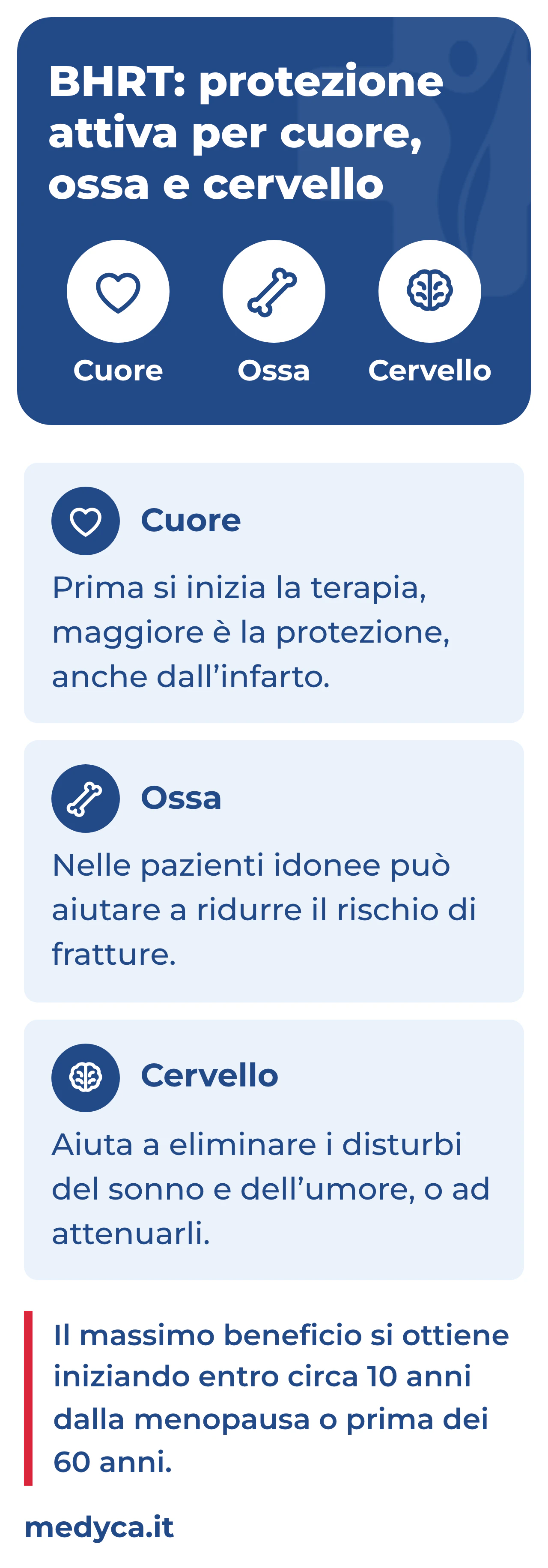
Yes, bioidentical hormone therapy is now considered a pillar of longevity medicine because it acts directly on the biological cause of the decline: endocrine senescence. When levels of oestrogens, progesterone and testosterone fall, cells stop receiving the signals they need to regenerate, accelerating the ageing of organs and tissues. Maintaining an optimal hormonal balance is not only about eliminating immediate symptoms, but acts as a protective shield on several fronts:
- Heart health: By restoring the flexibility of the blood vessels and improving the cholesterol profile, BHRT reduces cardiovascular risk, which is the leading cause of death in women after menopause.
- Brain and memory: Oestrogens promote cerebral blood flow and the plasticity of neurons in areas that are critical for memory, such as the hippocampus. Studies indicate that starting therapy early can reduce the risk of neurodegenerative diseases such as Alzheimer's disease by up to 30%.
- Protection of bones and teeth: Bioidentical hormones inhibit the loss of bone density, drastically reducing the risk of osteoporosis and fragility fractures. Surprisingly, this protection also extends to oral health: the risk of menopause-related tooth loss, as well as severe forms of periodontitis.
- Energy, mood and muscles: Restoring testosterone and bioidentical progesterone not only reawakens sexual desire, but counteracts chronic fatigue and helps preserve muscle mass and strength, which are essential for independence and vitality.
- Skin and tissues: The fall in oestrogens impairs collagen synthesis, leading to thinning and dryness of the skin and slower wound healing. Bioidentical hormones applied topically reactivate the fibroblasts, improving the hydration and elasticity of the skin, and visibly reducing the depth of wrinkles.
- Hair and scalp: The fall in oestrogens, the female hormones, leaves the way clear for the action of androgens, the male hormones, which weaken the hair follicles, causing the classic thinning of menopause or alopecia. Local application of bioidentical progesterone or of lotions made to measure with topical anti-androgens acts directly on the scalp to defuse this process, curbing hair loss and restoring strength and volume to the hair.
The secret of “slowing down time” lies in the so-called “Window of Opportunity”. The scientific evidence confirms that starting BHRT within the first 10 years from the onset of menopause (or before the age of 60) achieves the greatest preventive efficacy, by intervening before the damage that ageing does to the tissues becomes irreversible.
However, there is one crucial clarification that very many women are still asking about: all women can still start their BHRT pathway to protect their organs in the long term. It is never too late to start, just as it is never too late to start watering a plant that is suffering.
Conclusion
Menopause brings profound changes that can affect the heart, bones, brain and intimate health. However, with personalised bioidentical hormone therapy (BHRT), it is possible to preserve wellbeing, slow down ageing and prevent chronic diseases. BHRT not only gives the woman's body back the necessary amount of sex hormones and keeps away the symptoms of hormone deficiency, but above all protects the woman's body from the negative effects of the lack of these hormones.
💡 To find out whether a bioidentical hormone pathway is right for you, you need an assessment with a doctor experienced in this therapy.
Do you want to find out whether hormones are behind it?
Dr Cristina Lenzi
Dr Cristina Lenzi is an internal medicine physician and the Medical Director of Medyca, where she looks after women's health in perimenopause and menopause with bioidentical hormone therapy.

Medyca is a medical service founded by Dr Cristina Lenzi, one of the few doctors in Italy specialising in bioidentical hormone therapy. A specialist in Internal Medicine, cum laude, from the Università di Siena, she holds a PhD in osteometabolic diseases and Level I and Level II Master's degrees in bioidentical hormones from the Marion Gluck Clinic in London.
The first introductory consultation is free and without obligation: it is the way to find out more and understand whether the pathway is right for you. We look after patients from anywhere in Italy by video call, and in person at our practice in Siena.
Find out more: